T
Tito
Ice-cream man
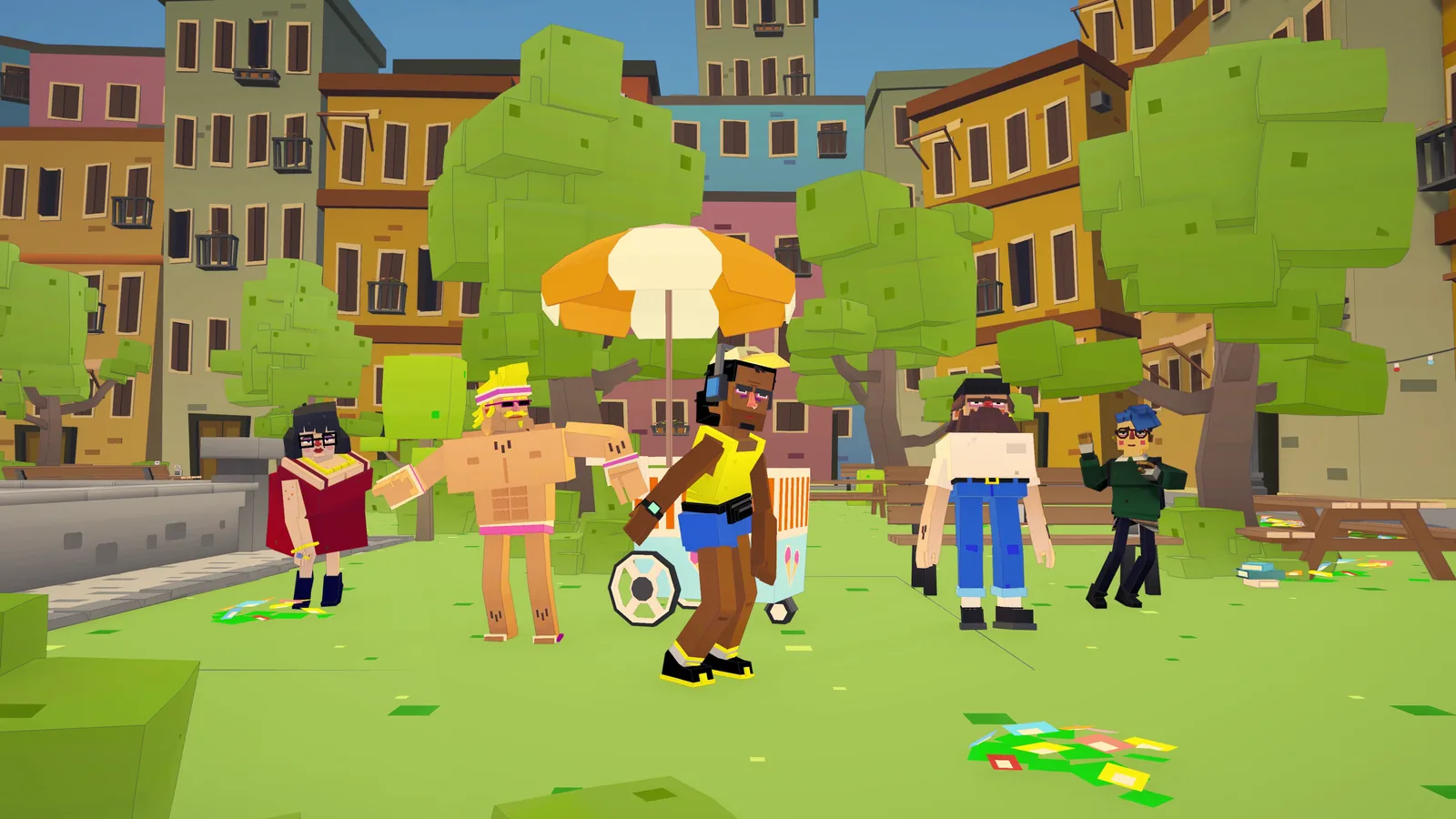
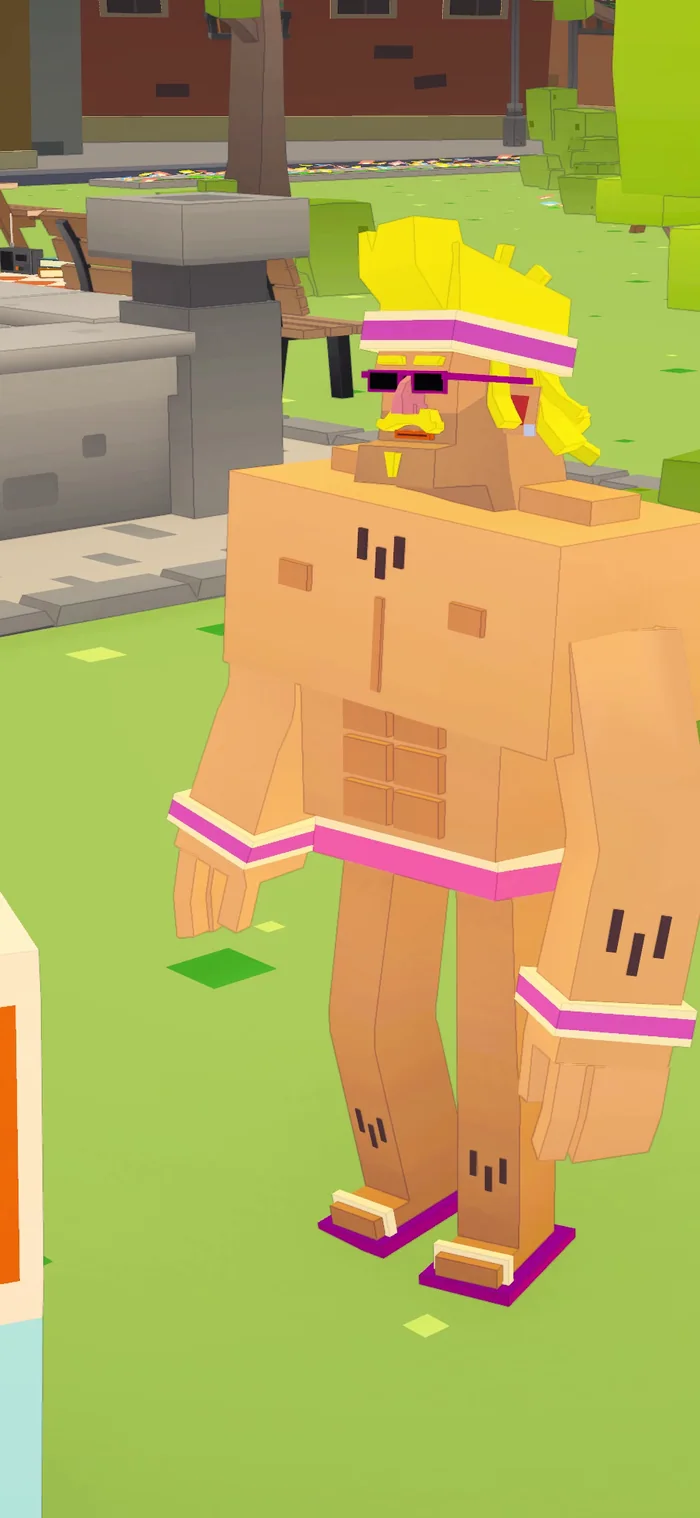
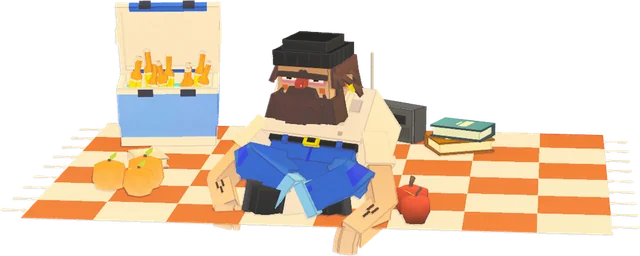
Pushes his cart uphill every day, which explains the arms. Swears he was never DJ Tito Frutti.
¡Qué rico helado!

 Learn Spanish
 ¡Hola, vecino!
¿Qué quieres?
¡Hola, vecino!
¿Qué quieres?
The Sims for language learners. Move into a sunny Spanish barrio on your phone, order ice cream from Tito, get the gossip from Carmen, haggle at Paco’s fruit stall, and say every line out loud.
Made for complete beginners. No Spanish needed.
Apps drill words. Chatbots talk back. Neither gives you a counter to stand at, or someone waiting for your answer. Kwazzl does.

One word, quiero, travels through a whole day in the barrio. Press play. Sound on.
Everything in Kwazzl is a place you go and someone you talk to. These are real screens from the current build.
Swipe through →
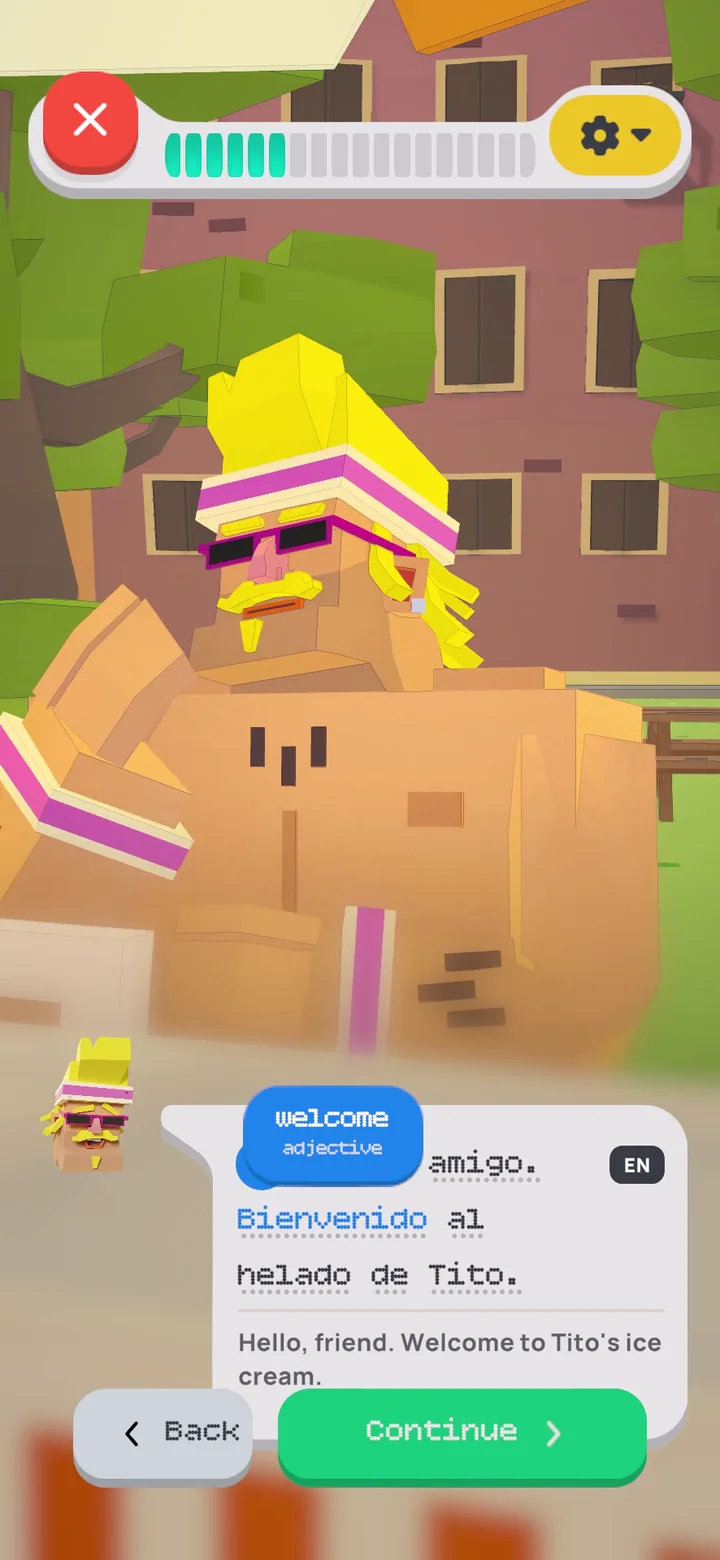
Three-minute stories with the neighbours. Tap any word to see what it means, then say your line out loud.
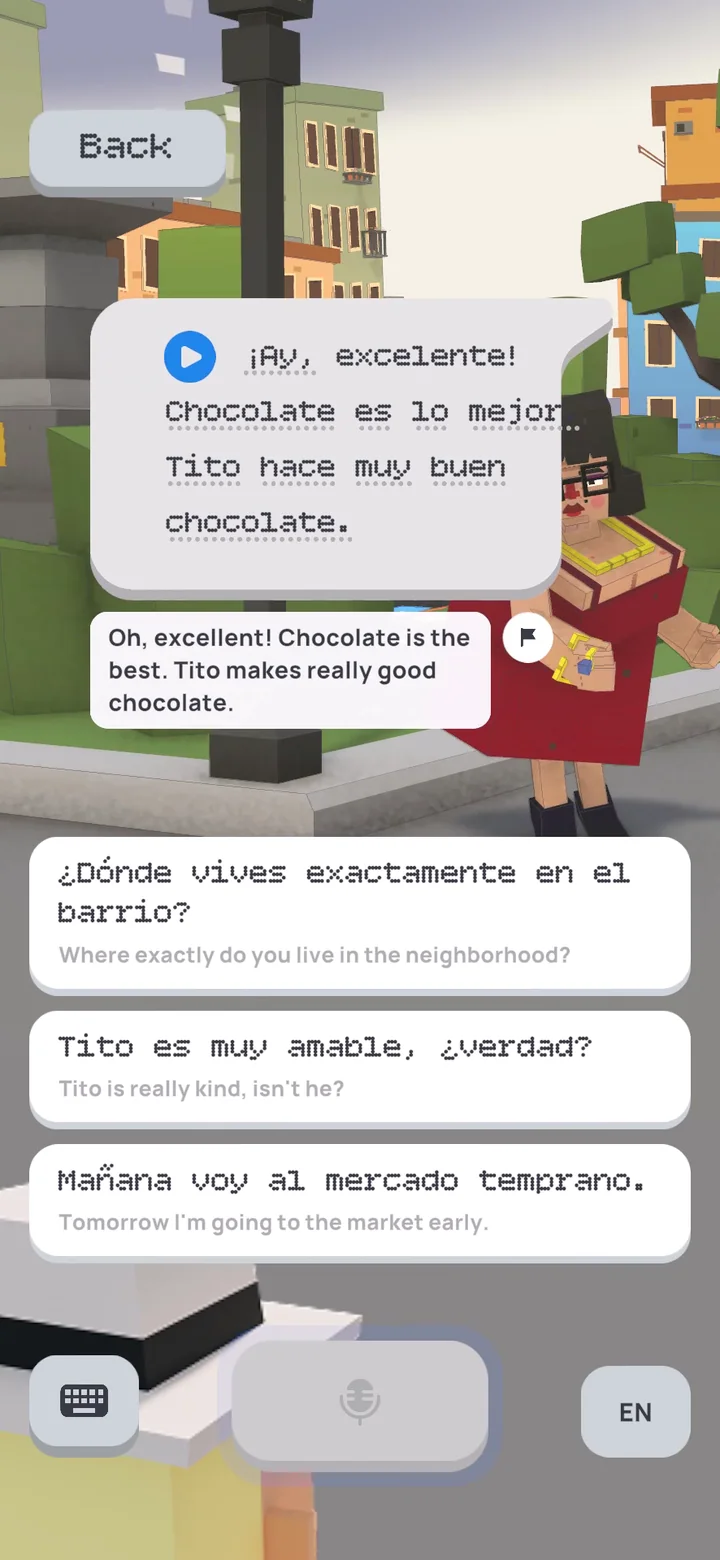
Tap a neighbour on the map and just talk: speak, type or pick a reply. They answer in their own voice and remember what you said.
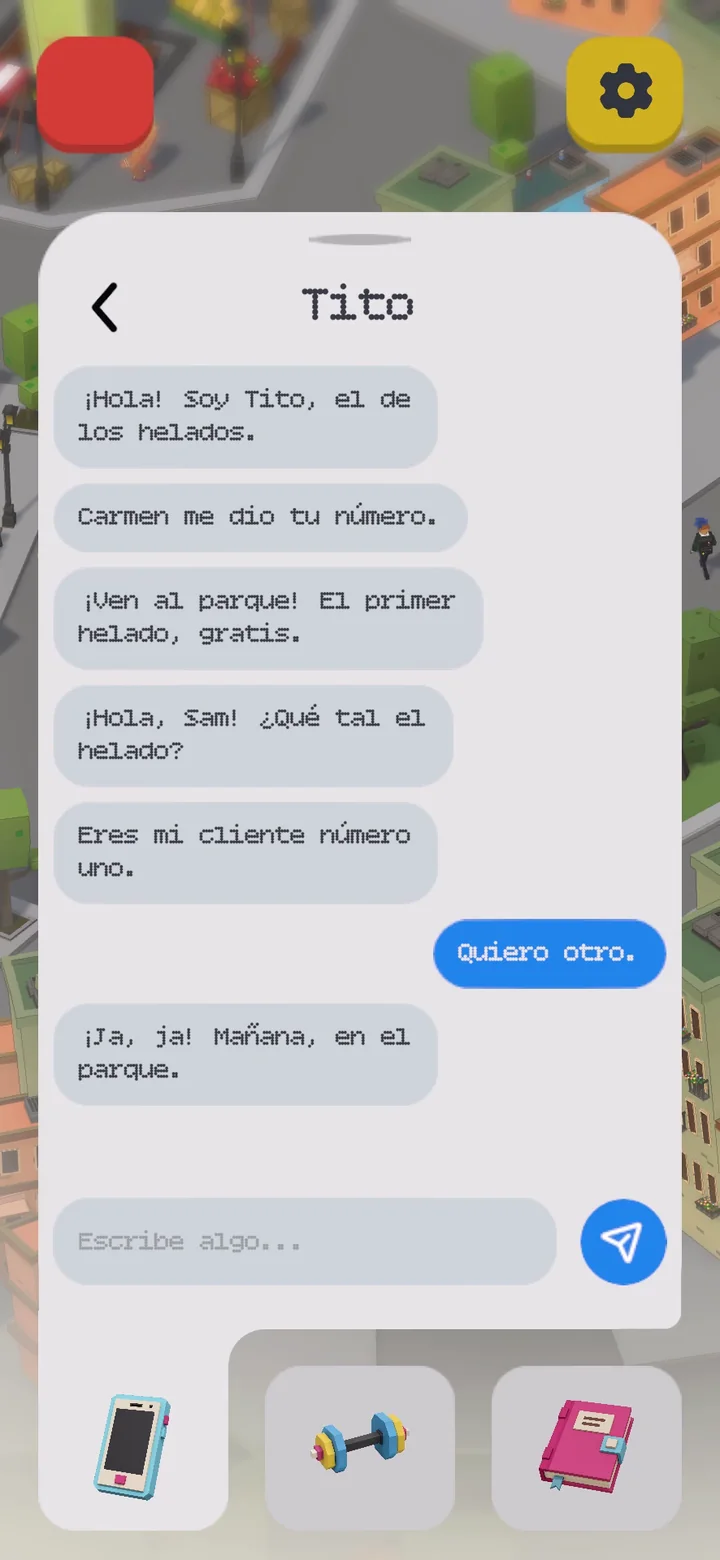
Finish a scene and Tito wants to know how the ice cream was. Answer in Spanish and he answers back.
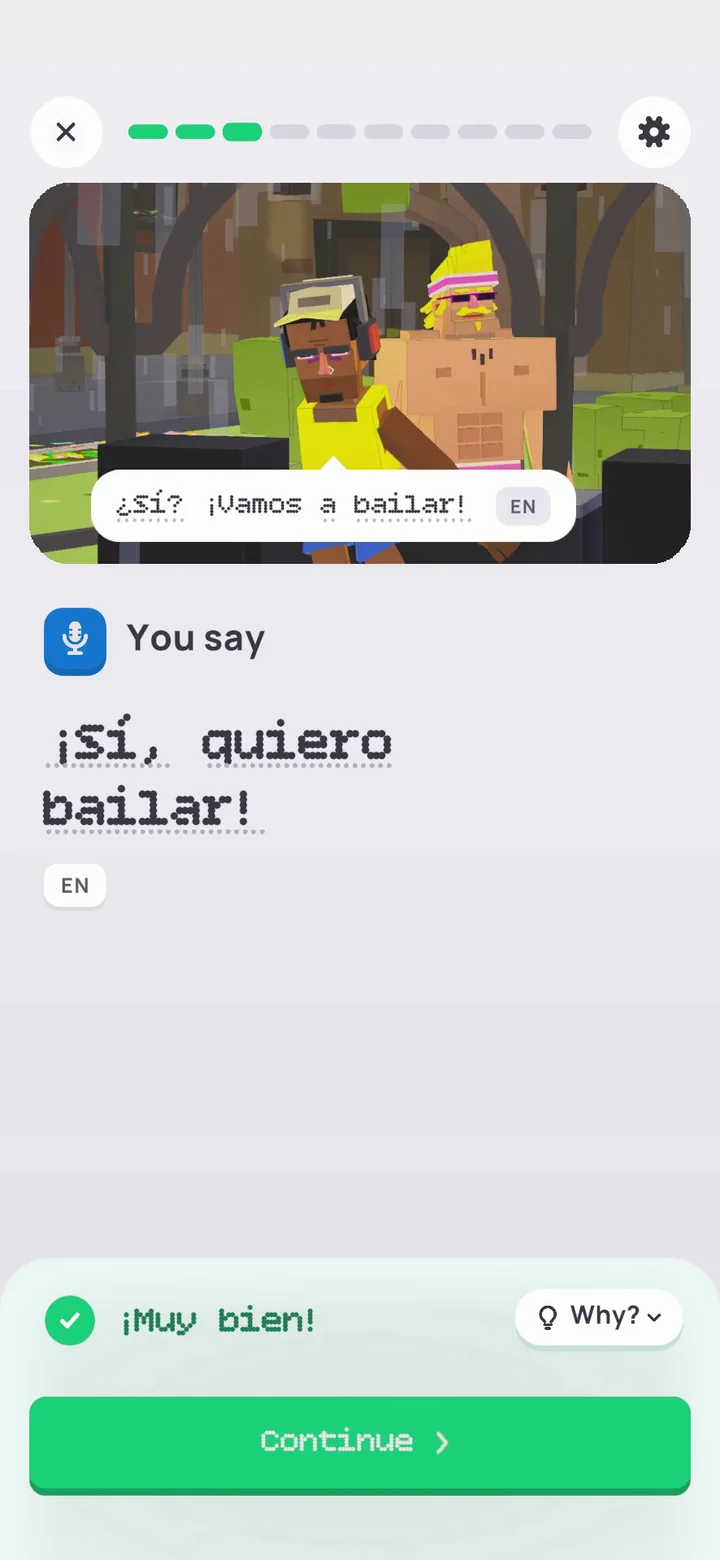
Five-minute workouts built from lines you actually heard. Hear it, build it, then say it, and Kwazzl tells you how it sounded.
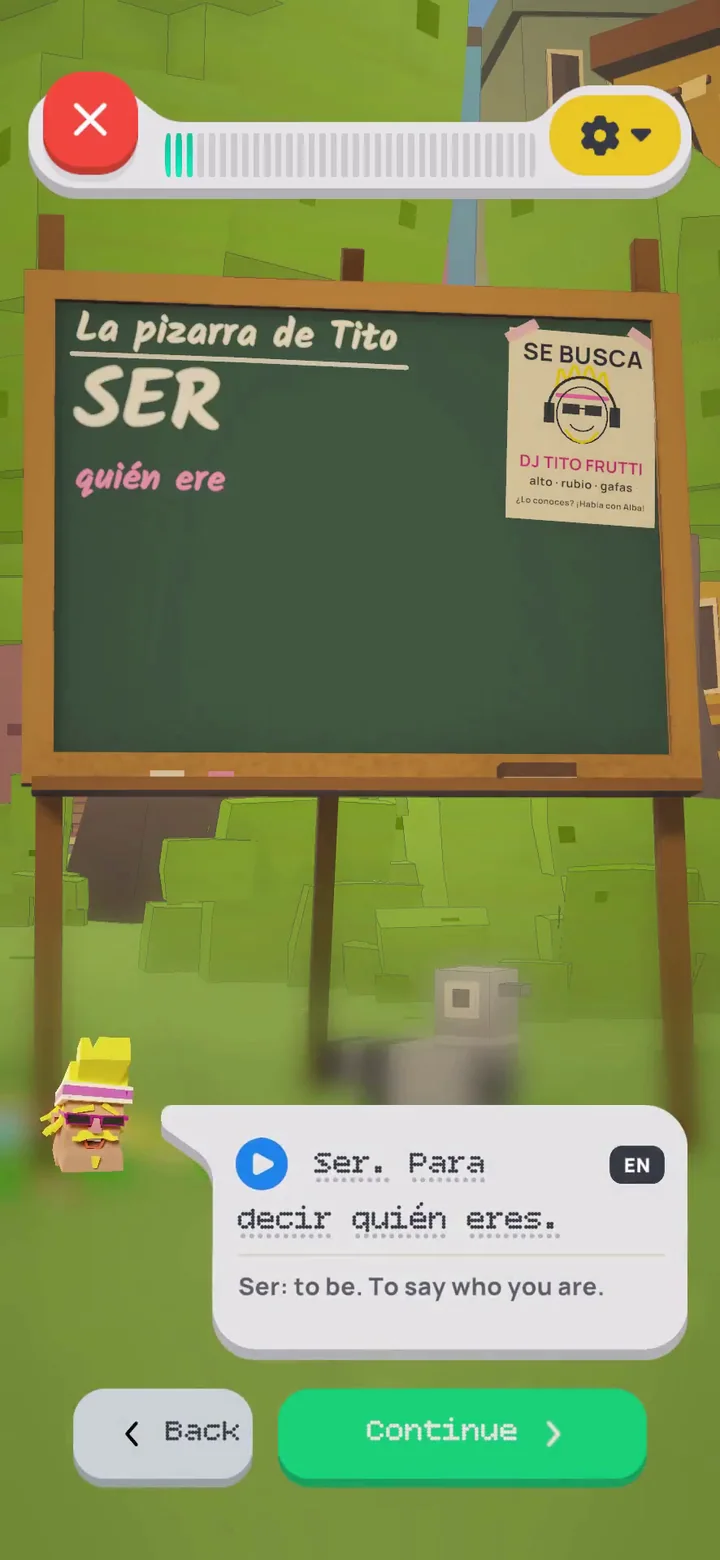
Three-minute lessons on Tito’s chalkboard: soy, eres, es with a pigeon in the front row and papá calling at the worst moment.
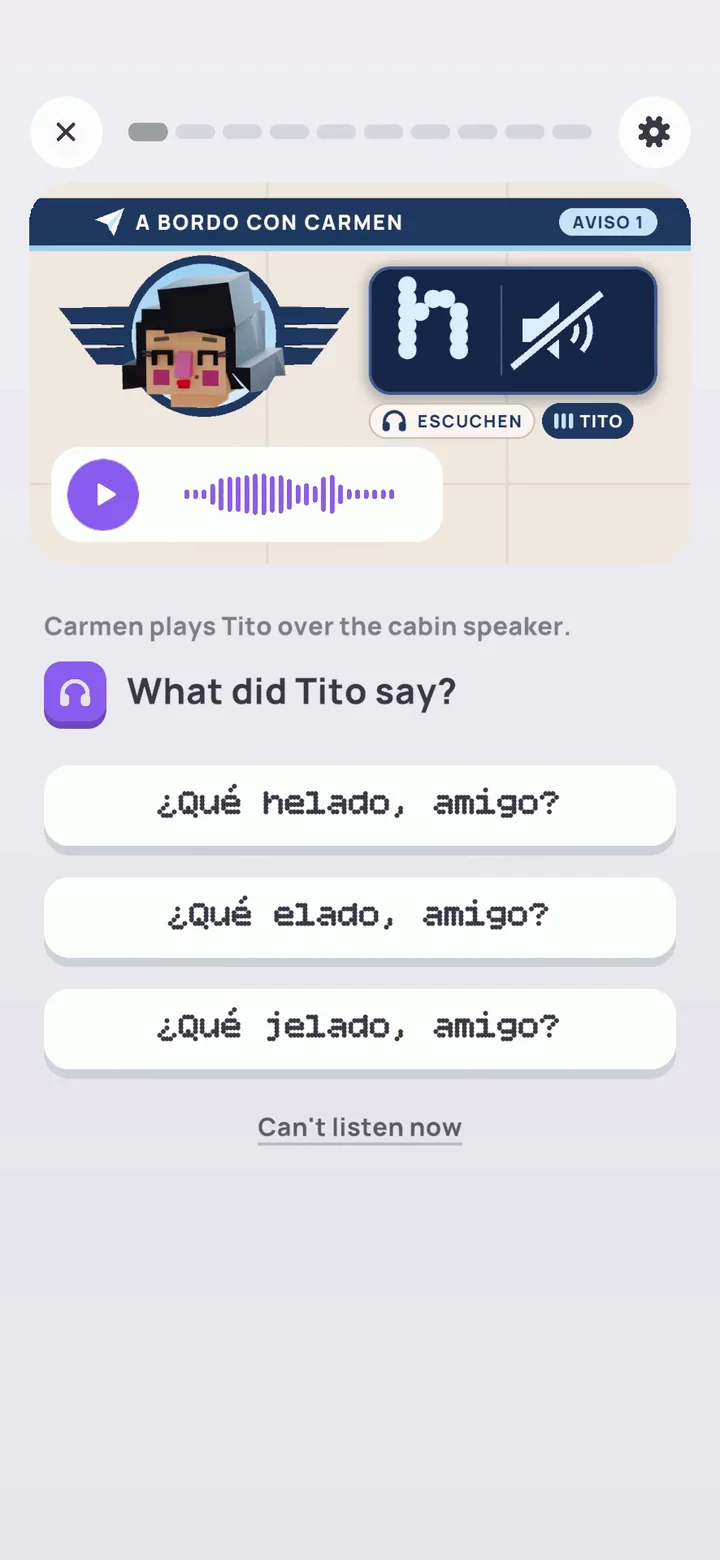
Carmen flew for thirty years, and now she makes announcements. Each aviso trains one sound. Aviso 1: the h says nothing. Carmen says plenty.
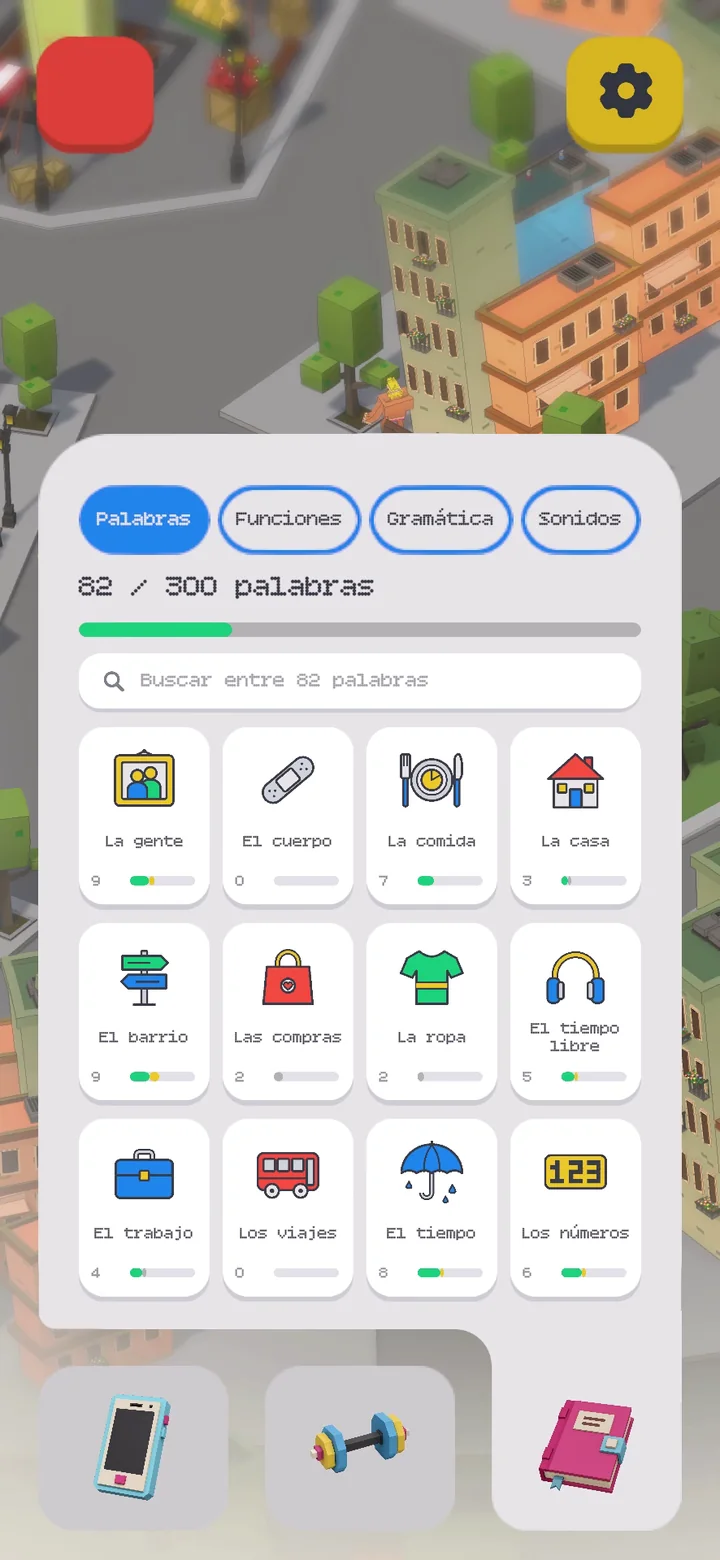
Every word, phrase, grammar pattern and sound you meet lands in your Diario, ready to practise.
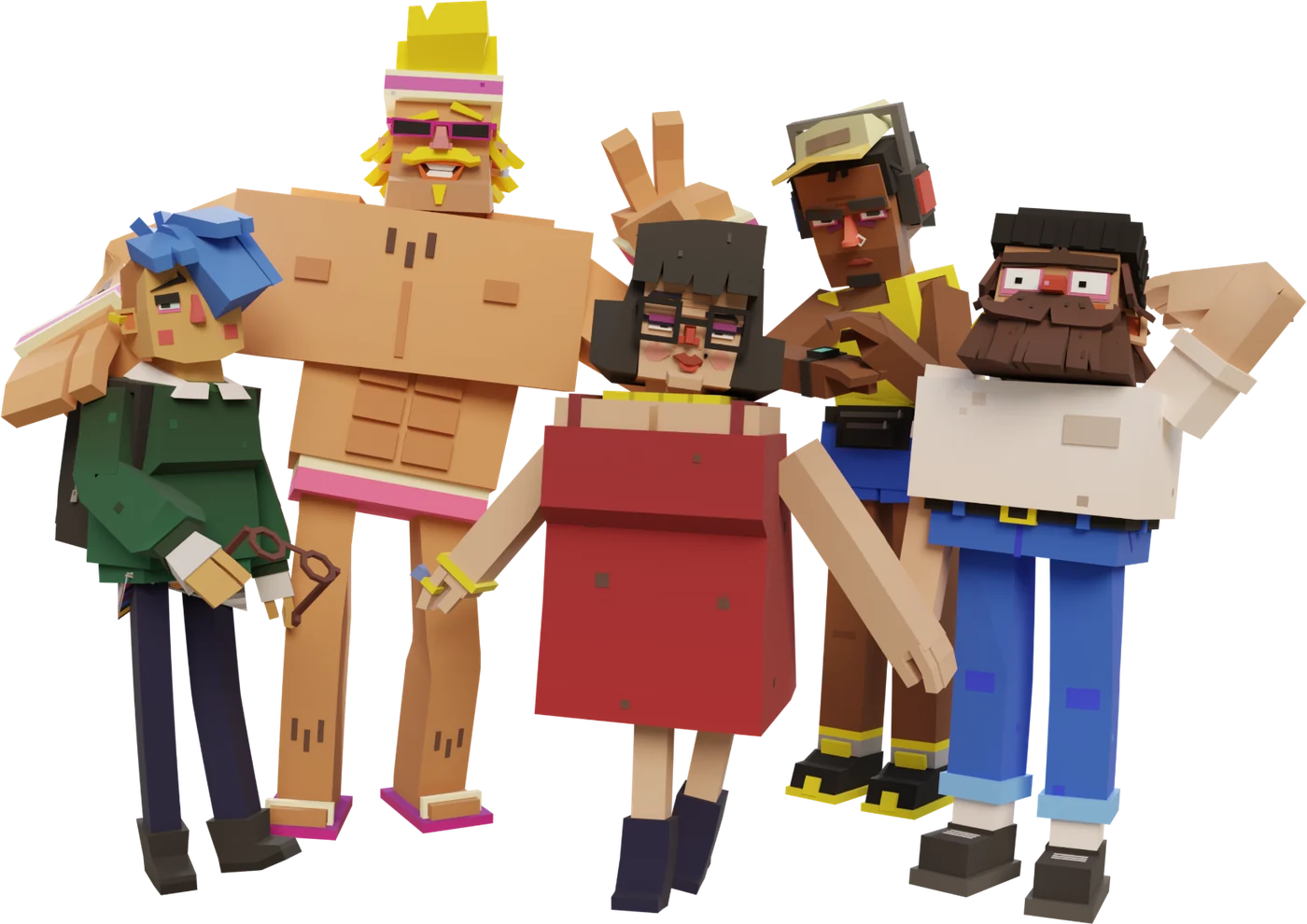
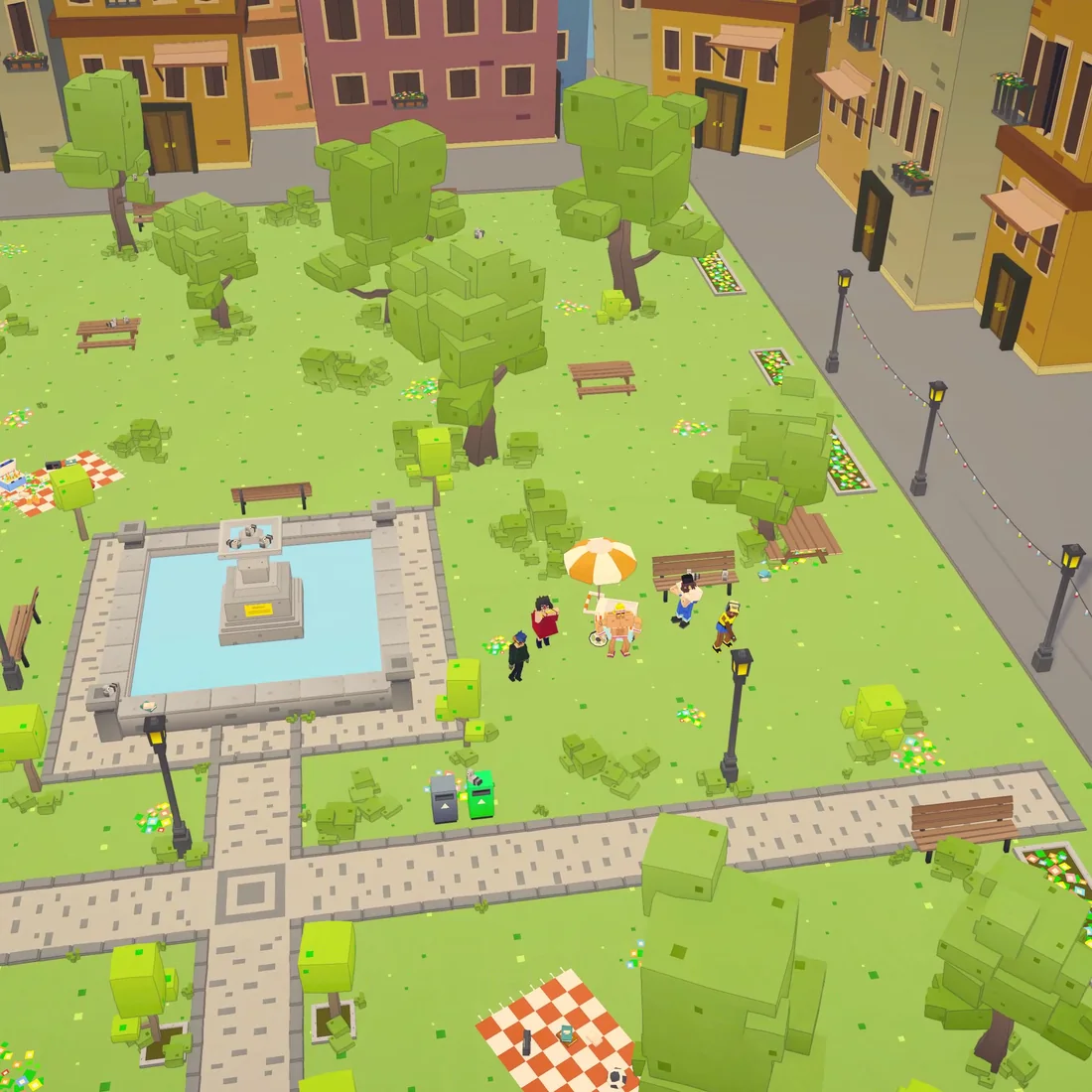
Five locals with their own voices, habits and running gags. They remember you, gossip about you, and text you when you’ve been away.
Hover a neighbour to say hi.
Kwazzl takes you through A1, the first level of the European language scale. Every scene teaches something you can use the same day, out loud.


The course follows the A1 level of the Instituto Cervantes curriculum, the reference for teaching Spanish worldwide, and is built with a learning designer.
No. Kwazzl starts from zero. Every Spanish line has its English one tap away, and the first scenes only ask for a word or two.
That’s the idea: you get better at speaking by speaking. When you can’t talk, on the bus say, skip a spoken line and come back to it later. With the neighbours you can also type.
Latin American Spanish, the variety most of the world’s Spanish speakers use. Your Spanish will work in Madrid too.
iPhone and Android. Tell us which one you have when you sign up, so we send the right invite.
The playtest is free. We’ll share pricing before the launch.
A scene takes about three minutes and a workout about five, so a visit fits into a coffee break.
Yes. On your first day Carmen asks ¿Cómo eres?, and you build your look from the barrio’s wardrobe. Then she hands you your ficha de vecino, and you’re in.
A small independent team of game makers, working with a learning designer. Spanish comes first; more languages follow after the launch.
The first neighbours move in this November. Leave your email and we’ll send your invite when the playtest opens.
Or come say hola on Discord →Where we are
A small group of testers, free. We watch where you get stuck and fix it.
Open to everyone in a few countries while we tune the barrio.
Everyone moves in. Spanish first, more languages after.